
.png?width=2000&height=714&name=Untitled%20(2240%20%C3%97%20800px).png "Untitled (2240 × 800px)")
ADHD in Women vs. Men
Did you know that ADHD can look very different in women than it does in men?
Women are often underdiagnosed due to the harmful stereotype of ADHD being only something that ‘naughty little boys’ experience. In this article, we break down these differences to help you understand the unique characteristics and different challenges experienced by men and women, which hopefully will help you and your daughters understand yourselves and juggle life’s unique challenges better.
Spotting the hidden signs
ADHD in women often goes undetected or misdiagnosed due to its atypical presentation. Hyperactivity is often associated with ADHD but women often display quite different symptoms such as daydreaming, inattentiveness, and emotional dysregulation. These subtler signs can be overlooked, leading to delayed diagnosis and challenges when seeking support.
We truly believe that by understanding these differences, we can better identify and support women with ADHD - reducing the number of women that aren’t diagnosed until adulthood.
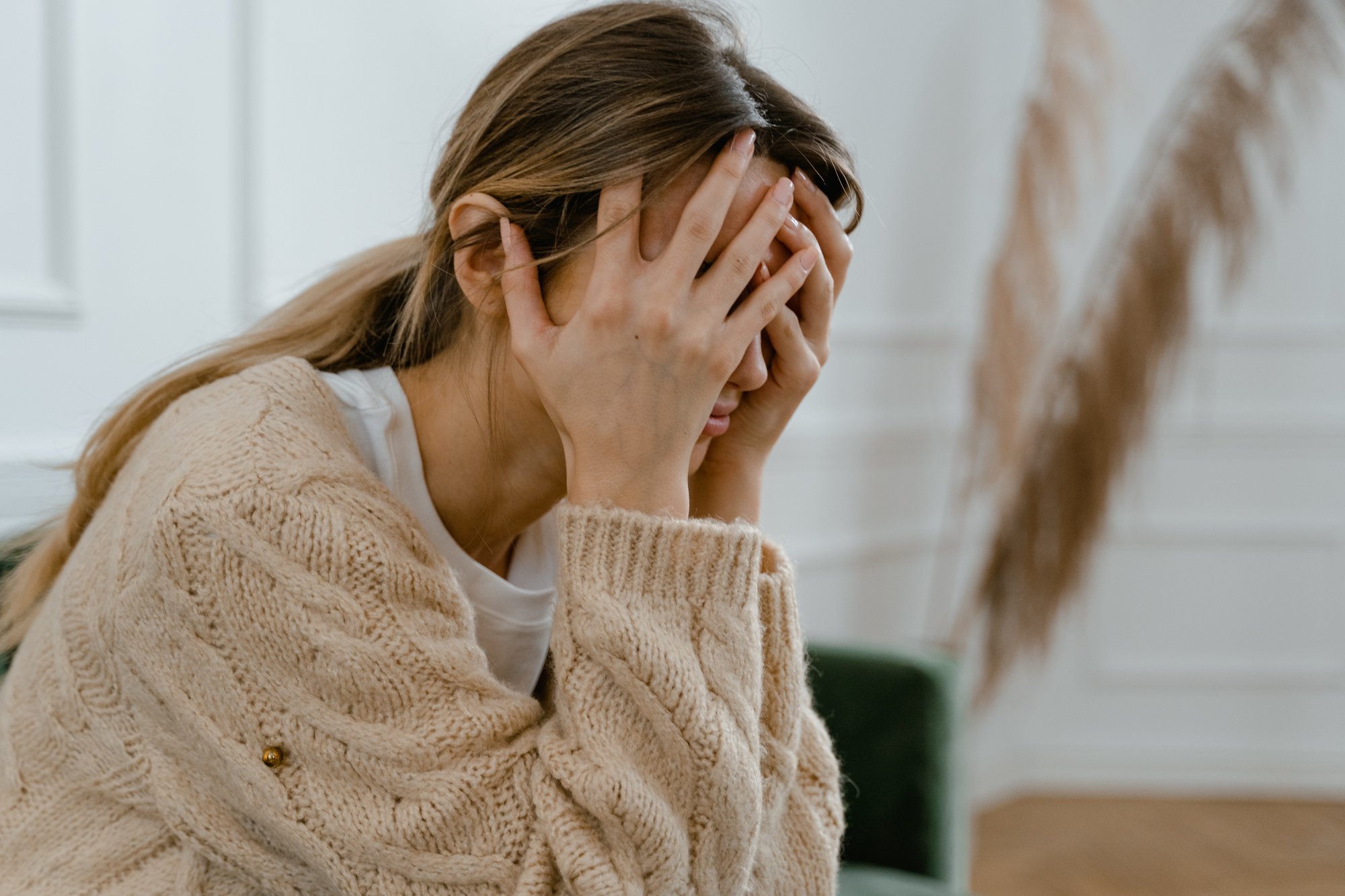
The mask of adaptation
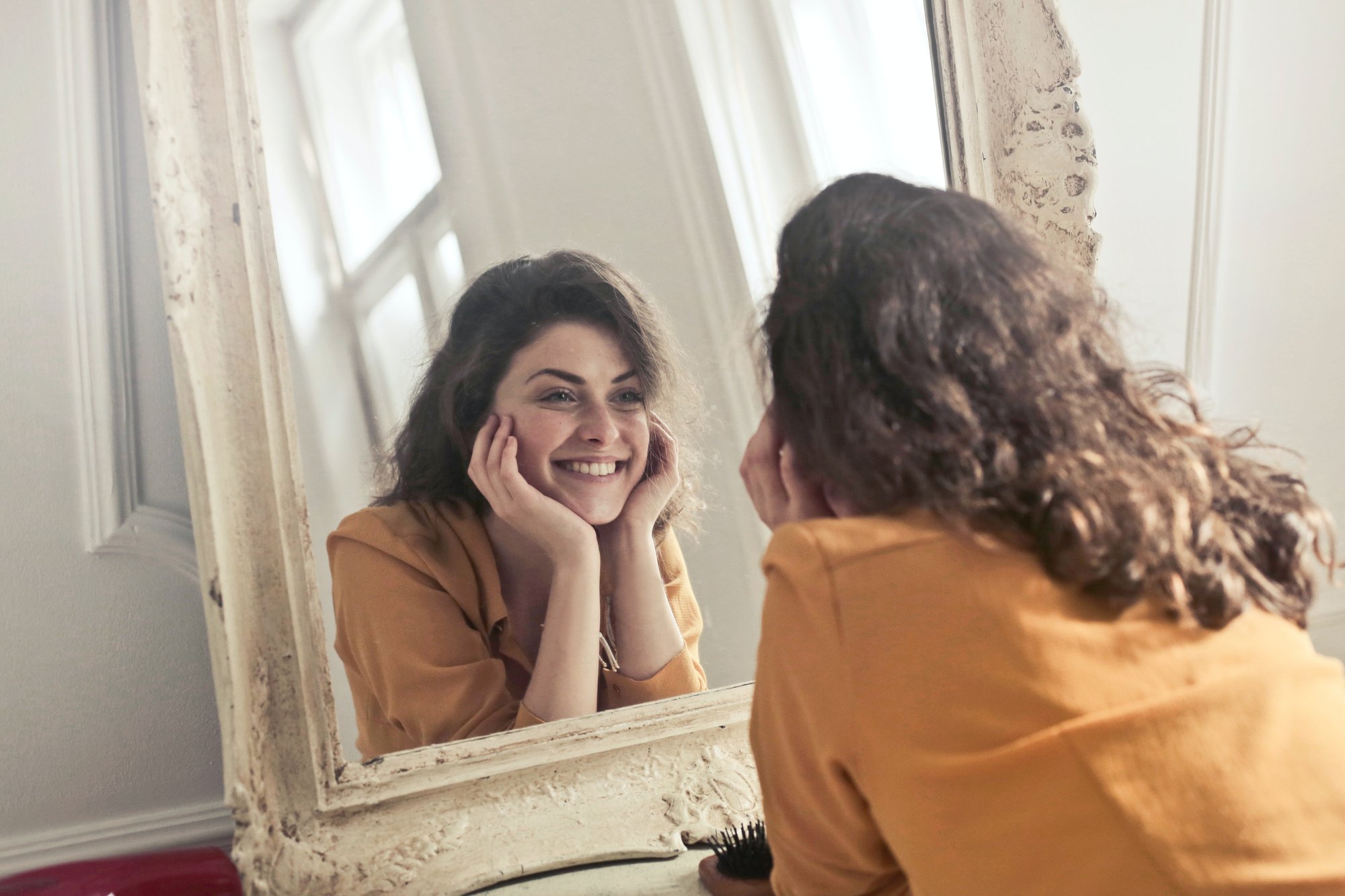
Women are definitely masters of adaptation - especially those with ADHD. They may develop coping mechanisms and strategies to mask their symptoms. This is heavily influenced by the societal pressures placed on women to act a certain way - starting from a young age.
This has led to a large number of undiagnosed women who have "invisible ADHD", with their struggles concealed beneath a cloak of competence. This constant effort to fit in and meet expectations can really take a toll on your mental health and well-being.
We believe it's crucial to recognize the unique challenges faced by women with ADHD and provide them with the understanding and support they deserve.
Emotions on high alert
Emotional dysregulation often plays a significant role in ADHD, particularly in women. Women may experience intense and fluctuating emotions, leading to mood swings, anxiety, and low self-esteem. This is often fobbed off as women being irrational or hormonal but sometimes, there’s a lot more to it.
These emotional challenges can overshadow other symptoms, and so we believe that we must first address the emotional well-being of women with ADHD. Providing strategies for emotional regulation and creating a supportive environment can really enhance the quality of life and overall mental health for women in general, but especially those with ADHD.
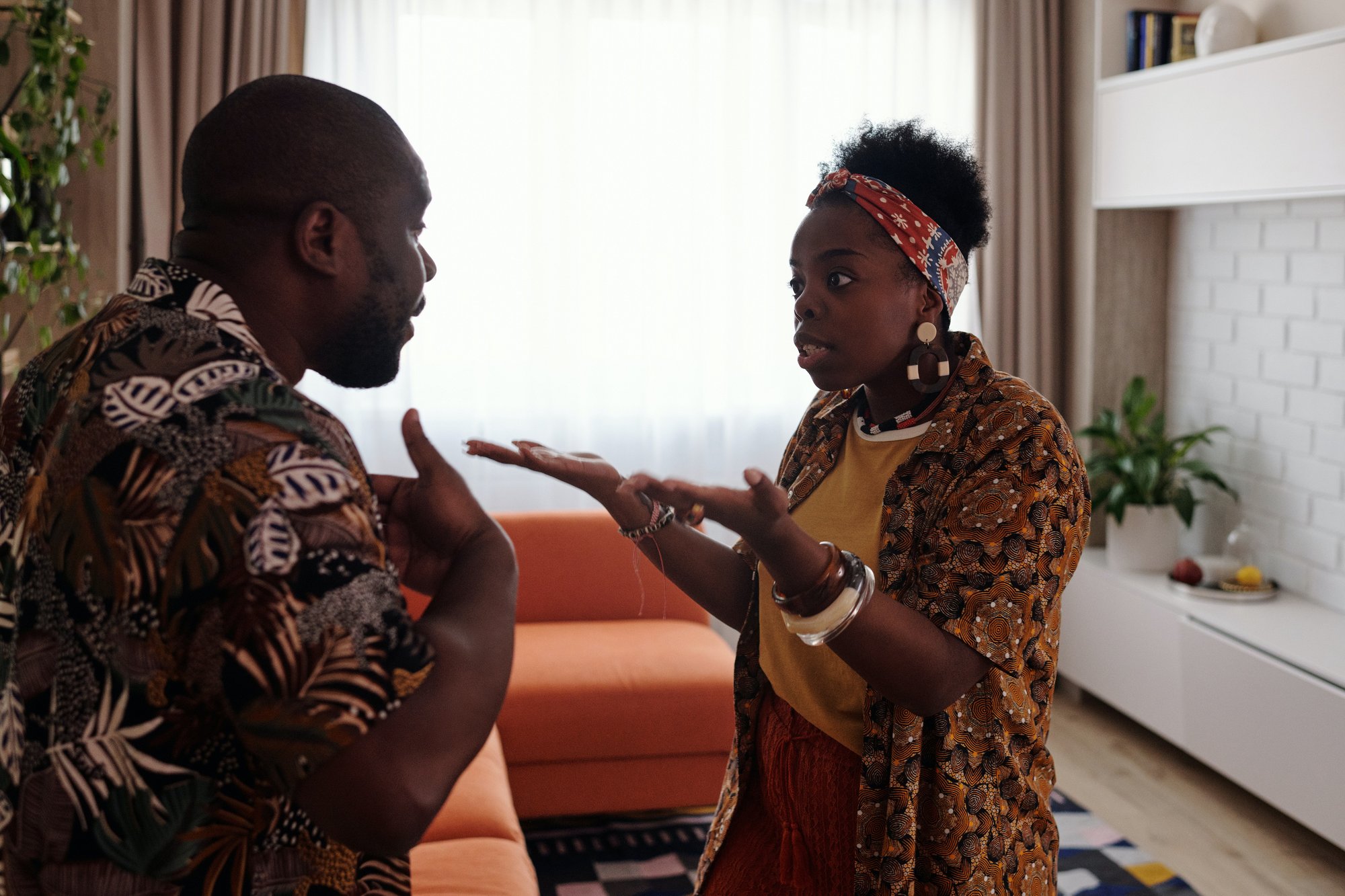
Executive functions unmasked
ADHD affects your executive functions, especially organisation, time management, and planning. While both men and women with ADHD struggle in these areas, women may encounter additional challenges due to societal expectations of being naturally organised and capable of multitasking. For example, women may face internal pressure to juggle multiple roles, resulting in increased stress and difficulty managing executive functions. Recognising and addressing these specific challenges can really help women with ADHD develop effective strategies for navigating their daily life. It also increases understanding of these reactions and enables women to push back on things they know they can’t juggle, especially in home life.
Unmasking the differences between ADHD in women and men reveals unique characteristics and challenges. At Zing we recognize the hidden signs and understand the masks of adaptation. We can provide you with tailored support and help empower you on your own unique journey with ADHD.
Why not book a call with one of our team today? Or contact us with any questions!
